Serengeti National Park: Tanzania’s Iconic Wilderness
The Serengeti is one of the world’s most iconic wildlife destinations, and for good reason.
Its name comes from the Maasai word Siringit, commonly interpreted as “the place where the land runs on forever.” The description is remarkably fitting for a landscape defined by vast open plains, rocky kopjes, woodlands, and seasonal rivers.
This immense ecosystem supports an extraordinary diversity of wildlife and plays a central role in one of nature’s greatest spectacles: the Great Migration.
Wildlife in the Serengeti
The Serengeti is renowned for its exceptional concentration and diversity of wildlife.
Among the animals commonly encountered are:
- Lions
- Leopards
- Cheetahs
- Elephants
- Buffalo
- Giraffes
- Hyenas
- Wildebeest
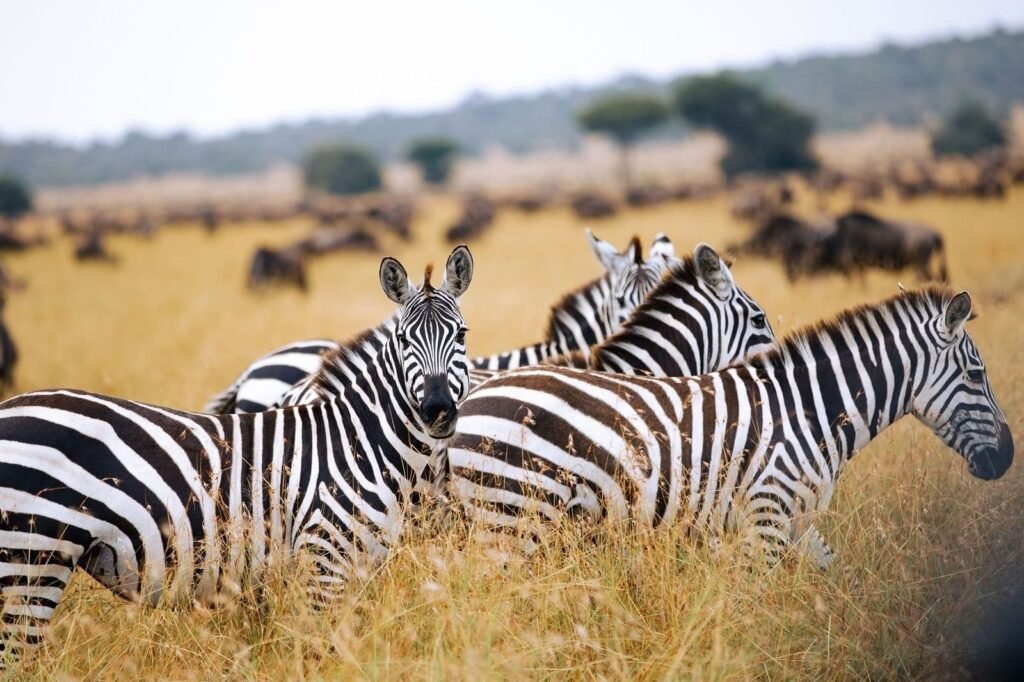
- Zebra
The park is particularly famous for its predators and large herbivore populations, creating frequent opportunities to observe natural interactions between species.
The Serengeti and the Great Migration
The Serengeti is the central stage of the Great Migration, when enormous herds of wildebeest, zebra, and other herbivores move through the ecosystem in response to rainfall, fresh grass, and water availability.
The location of the herds changes throughout the year, meaning that different areas of the Serengeti can become more important depending on the season.
For travellers planning a migration-focused safari, choosing the right region and timing is therefore essential.
Different Regions of the Serengeti
The Serengeti is not one uniform landscape. Its different regions offer distinct wildlife experiences and can become important at different times of the year.
Southern Serengeti
The southern Serengeti is particularly important during the calving season, when large numbers of wildebeest gather in areas with fresh, nutrient-rich grass.
The concentration of young animals also attracts predators, making this region especially interesting for travellers interested in predator-prey interactions and wildlife photography.
Central Serengeti
Central Serengeti offers excellent wildlife viewing throughout much of the year and is often one of the easiest areas to incorporate into a first Tanzania safari.
Its combination of open plains, rocky kopjes, resident wildlife, and established safari camps makes it a practical base for exploring the wider ecosystem.
Western Serengeti
Western Serengeti provides access to the Grumeti region and its seasonal river system.
The area offers a different landscape from the central plains and can be particularly interesting during periods when wildlife movements bring large numbers of animals into the region.
Northern Serengeti
Northern Serengeti becomes particularly important during the later stages of the Great Migration.
The region provides access to the Mara River and can offer opportunities to witness one of the most dramatic and challenging stages of the migration as herds attempt to cross the river.
How Many Nights Should You Stay in the Serengeti?
For a first Tanzania safari, three to four nights in the Serengeti can provide a strong introduction to the park’s landscapes and wildlife.
Travellers looking for deeper exploration, wildlife photography, or a migration-focused experience may benefit from staying longer or dividing their time between different regions of the Serengeti.
Because the park is so vast, additional nights allow you to spend less time travelling between destinations and more time observing wildlife.
Why the Serengeti Rewards Patience
The Serengeti is not a destination that needs to be rushed.
The longer you remain, the more opportunities you have to move beyond simply seeing individual animals and begin understanding the rhythms of the ecosystem.
Wildlife movements, predator behaviour, changing light, weather, and the landscape itself create experiences that cannot always be predicted.
A longer stay gives the Serengeti time to reveal itself.