Serengeti National Park is one of Africa’s most celebrated wilderness areas, a vast landscape of open grasslands, wooded savannahs, rocky kopjes and seasonal rivers stretching across northern Tanzania. Its name comes from the Maasai word siringit, meaning “endless plains”, an appropriate description of a landscape where wildlife moves across seemingly limitless horizons.
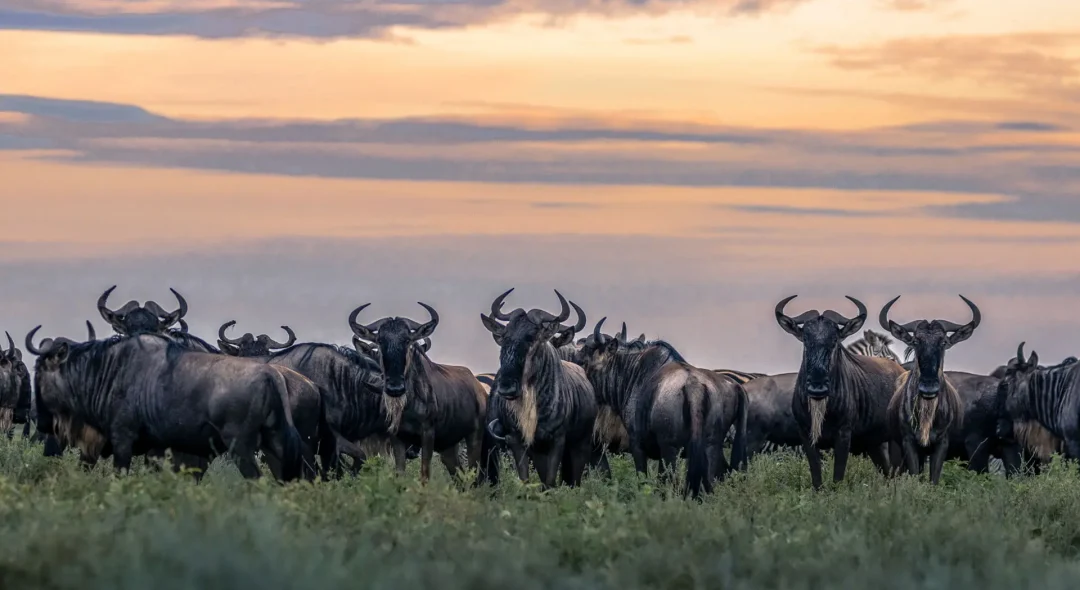
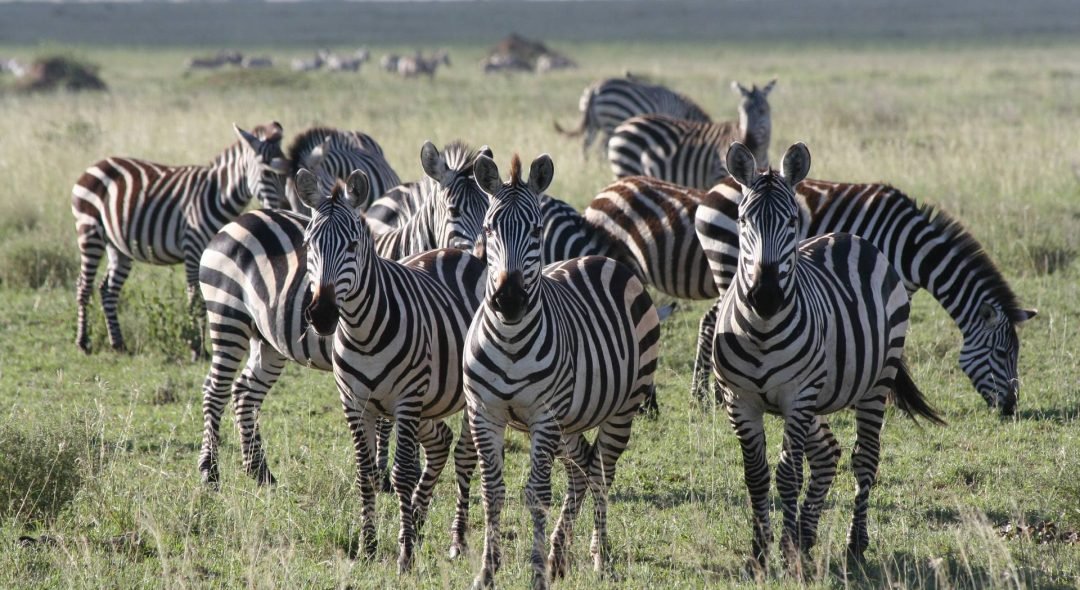
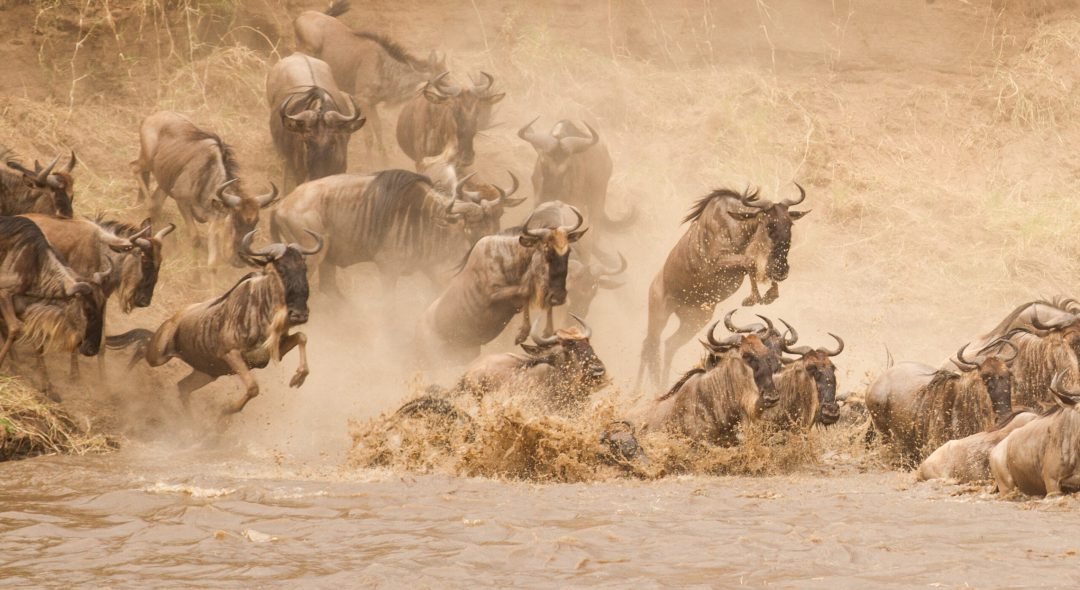
The Serengeti is best known as the principal stage of the Great Migration, one of the most remarkable wildlife spectacles on Earth. Each year, enormous herds of wildebeest, accompanied by zebra and gazelle, move across the ecosystem in search of fresh grazing and water. The migration is not a single event confined to one location or month; it is a continuous cycle that unfolds across different parts of the Serengeti throughout the year.
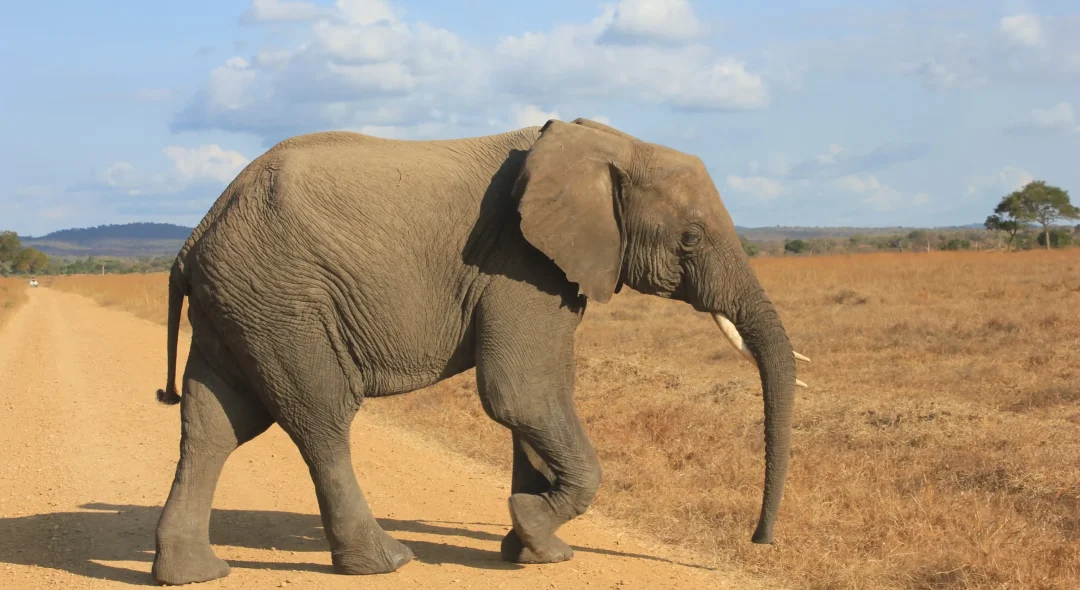
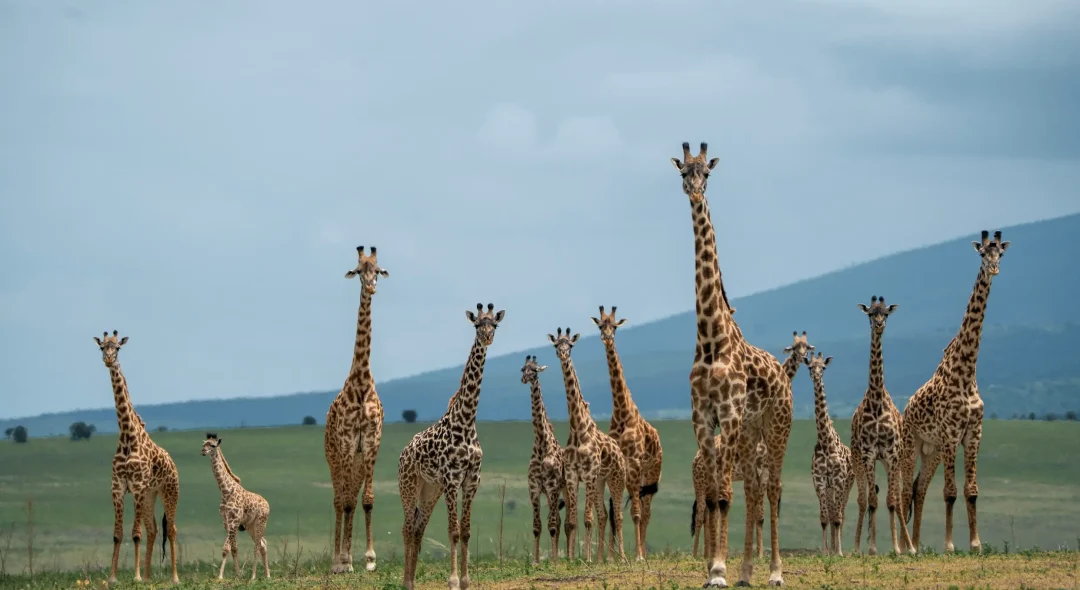
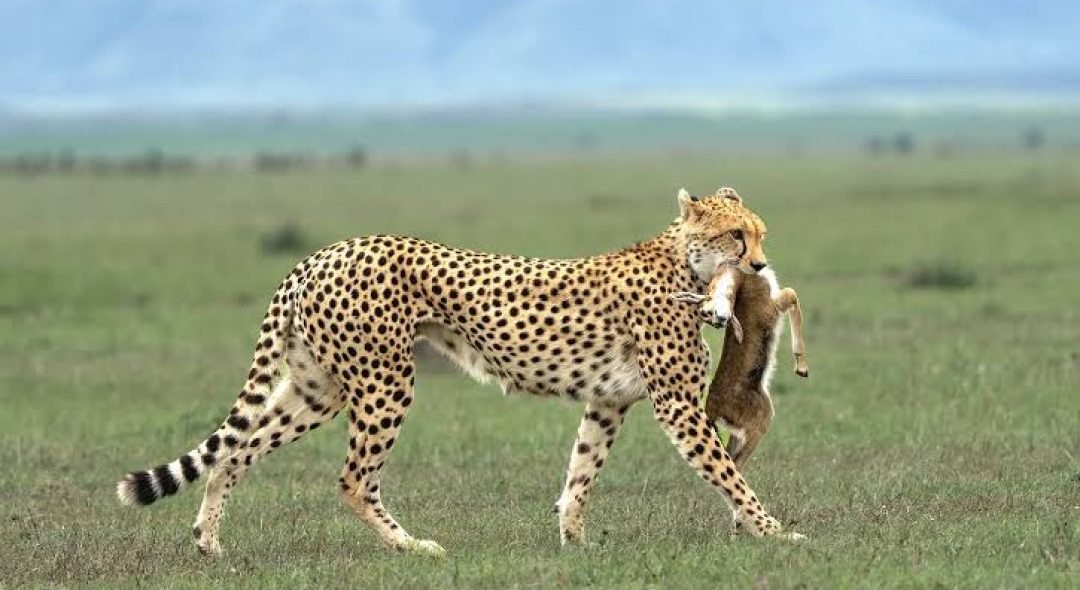
Beyond the migration, the Serengeti offers exceptional year-round wildlife viewing. Lions are frequently encountered across the plains, while cheetahs, leopards, elephants, buffalo, giraffes and spotted hyenas contribute to the extraordinary diversity of the ecosystem. Rocky kopjes provide important vantage points for predators and are among the park’s most distinctive geological features.
The character of the Serengeti changes dramatically with the seasons. During the January to March calving period, the southern plains become a nursery for thousands of young wildebeest, attracting predators and creating intense scenes of life and survival. As the herds move northward, the landscape and wildlife experience evolve, eventually bringing the migration toward the Mara River and the northern Serengeti.
Different areas of the park offer different safari experiences. The Central Serengeti provides excellent year-round game viewing, while the western and northern regions become particularly important at different stages of the migration. The remote landscapes of the northern Serengeti offer a quieter safari atmosphere, while the southern plains provide an exceptional setting during the calving season.
A Serengeti safari is ultimately about more than seeing the Big Five or witnessing the migration. It is an opportunity to experience one of the world’s great functioning ecosystems, where predators, herbivores, birds, rivers, grasslands and seasonal weather patterns remain connected in an immense natural cycle. For travellers seeking the defining safari experience of Tanzania, the Serengeti remains an essential destination.