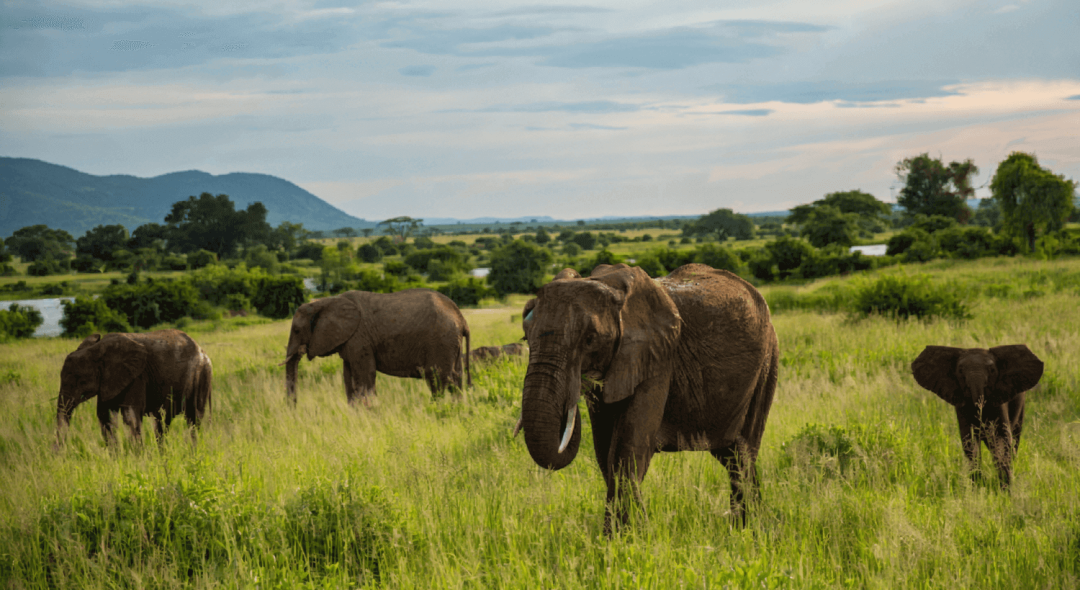
Ruaha National Park is one of Tanzania’s great wilderness destinations, a vast landscape of open savannah, ancient baobabs, rocky kopjes, miombo woodland and seasonal rivers in the country’s south-central region. At the heart of the park is the Great Ruaha River, whose pools and surrounding river systems become vital sources of water as the dry season intensifies.
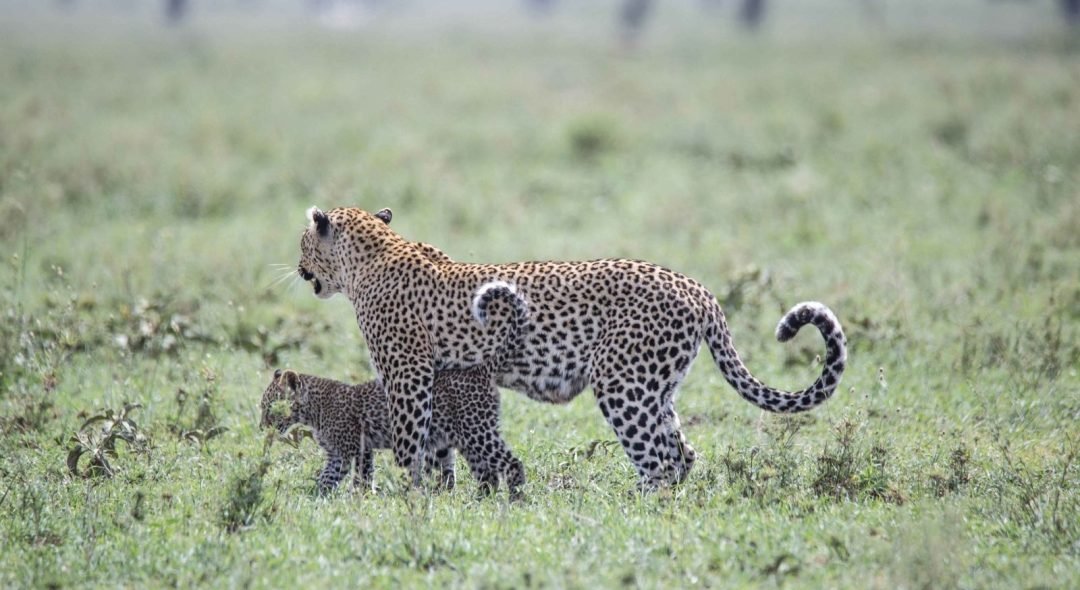
The scale of Ruaha is one of its defining characteristics. Wildlife moves across an immense landscape where open plains give way to woodland, rocky hills and river valleys. During the dry season, elephants and buffalo gather around permanent water sources, while lions, leopards, cheetahs and spotted hyenas follow the concentrations of prey.
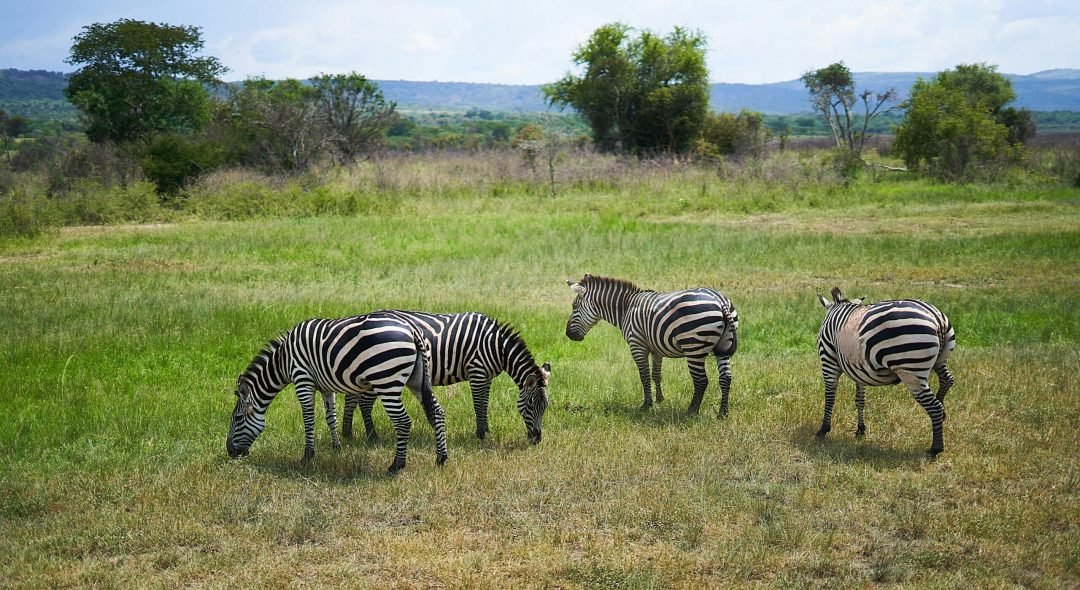
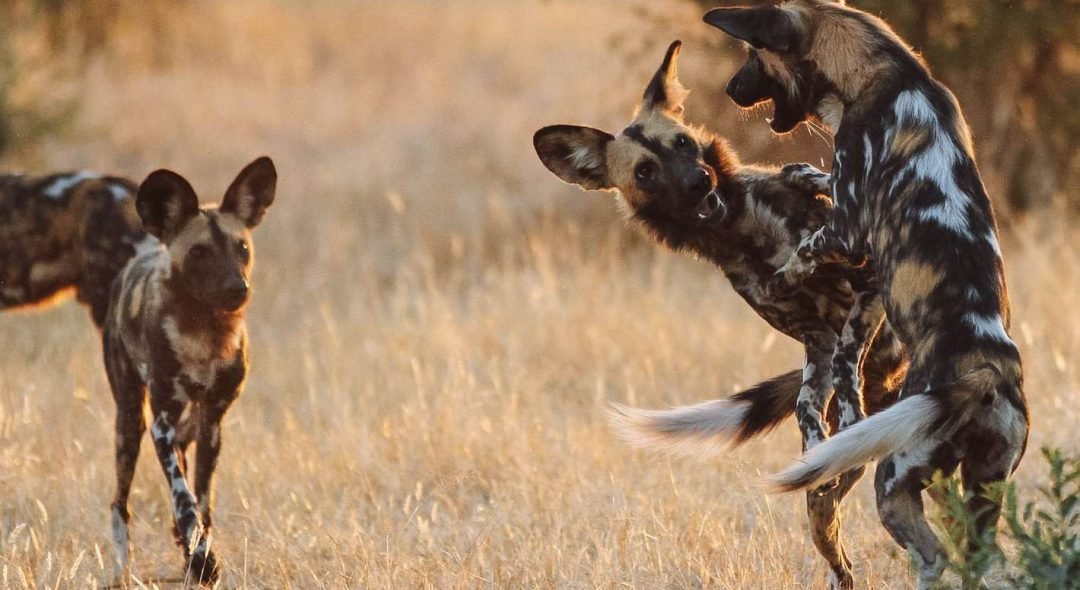
Ruaha is particularly distinctive because it lies where the wildlife communities of eastern and southern Africa overlap. Alongside familiar safari species are animals such as greater and lesser kudu, sable and roan antelope, giving the park an unusually diverse collection of large mammals. African wild dogs are also among the special wildlife encounters associated with the park.
The landscape itself is an essential part of the Ruaha experience. Huge baobabs rise above golden grasslands, granite outcrops create elevated viewpoints and sandy riverbeds cut through the woodland. The Great Ruaha, Mwagusi, Mdonya and Jongomero river systems shape the movement of wildlife and create some of the park’s most productive game-viewing areas.
Ruaha is also a rewarding destination for birdwatchers, with more than 570 species recorded. Raptors, bee-eaters, kingfishers and other birds inhabit the river corridors, woodlands and open savannah, creating opportunities for birdwatching throughout the safari.
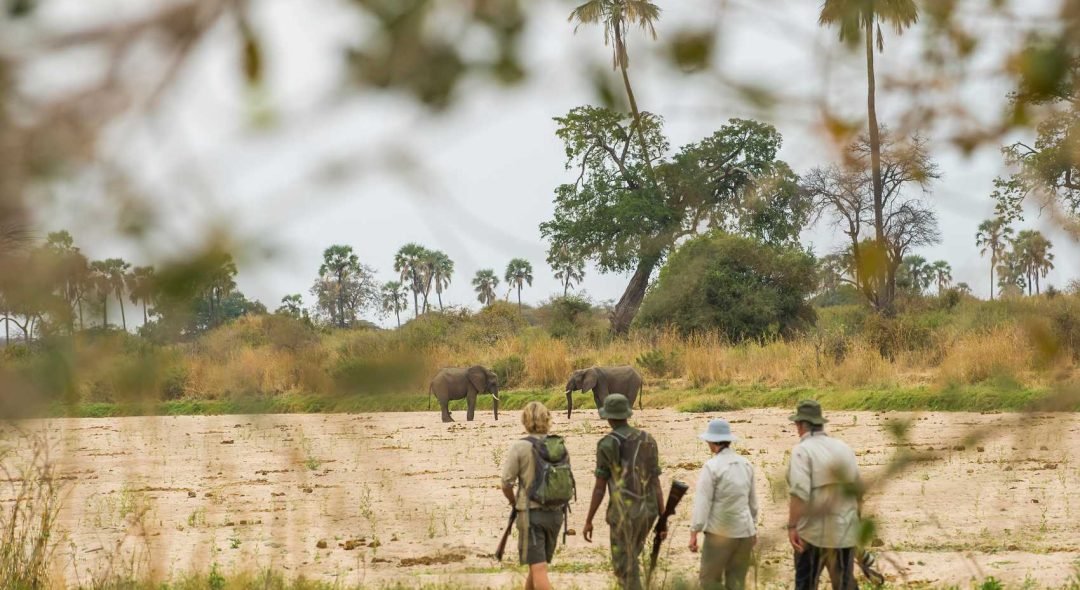
Beyond conventional game drives, Ruaha offers guided walking safaris in designated areas, allowing visitors to experience tracks, plants, birds and smaller details of the ecosystem on foot. Sundowners, photographic safaris and exploration of remote park circuits provide additional ways to experience the landscape.
Ruaha is therefore best understood as a destination for travellers seeking scale, solitude and wildlife diversity. Its combination of vast wilderness, powerful predators, large elephant and buffalo herds, unusual antelope species and dramatic baobab landscapes gives southern Tanzania a distinctive safari character.