Climb Tanzania’s great mountains through carefully planned routes, experienced guides and journeys built around your pace, preparation and ambitions.
Mount Kilimanjaro offers one of Africa’s most memorable trekking experiences. From the lower forests to the high alpine landscape, every stage of the climb brings a new environment and a new challenge.
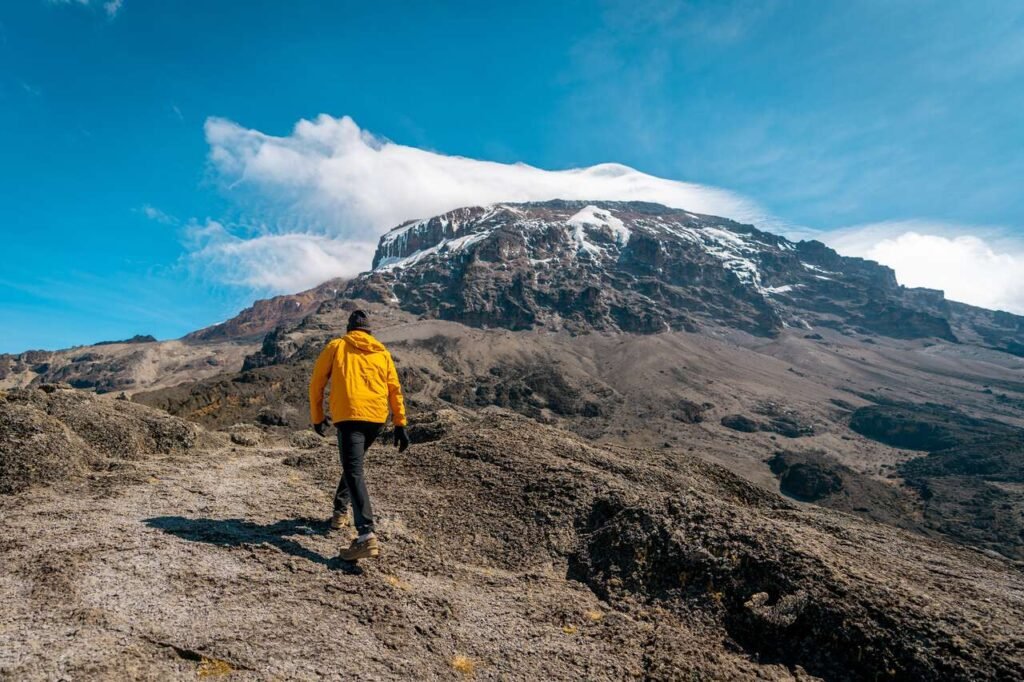
Climbing Mount Kilimanjaro is a high-altitude trekking adventure to the summit of Africa’s highest mountain, rising 5,895 m (19,341 ft) above sea level. Known as the “Roof of Africa,” Kilimanjaro is also the world’s highest free-standing mountain.
Despite its impressive height, Kilimanjaro does not require technical mountaineering skills or previous climbing experience. With proper preparation, a suitable route, gradual acclimatization, and a good level of general fitness, many travelers can safely take on the challenge and reach the summit.
The best route depends on your fitness, available time, scenery preferences, and acclimatization needs. Routes such as Machame and Lemosho are popular for their scenery and gradual ascent.
Most climbs take 5–9 days, depending on the route. Longer itineraries generally provide better acclimatization and a higher chance of reaching the summit.
Kilimanjaro is physically demanding, mainly because of the high altitude. However, no technical climbing skills are required, and proper preparation can make the climb more manageable.
Bring layered clothing, sturdy hiking boots, a warm sleeping bag, water bottles, sun protection, and essential personal items. Good physical preparation and acclimatization are equally important.
Camping on Mount Kilimanjaro is an essential part of the adventure, with nights spent in mountain camps surrounded by spectacular wilderness. After a day of trekking, relax in your tent, enjoy a warm meal, and rest as your guides prepare you for the next stage of the climb. As you gain altitude, the peaceful camps and clear night skies make the experience even more memorable.
Explore Kilimanjaro’s most popular routes, each offering a different mix of scenery, difficulty, acclimatization, and adventure. Find the route that matches your pace, fitness, and climbing style.
The Machame Route is one of Kilimanjaro’s most popular trails, known for dramatic scenery, gradual acclimatization, and varied landscapes from rainforest to alpine desert.
Pros: Excellent scenery and acclimatization opportunities; high summit success on longer itineraries; relatively affordable.
Cons: Camping is required throughout; popular sections can be crowded; some steep sections require good fitness.
The Lemosho Route approaches Kilimanjaro from the west, offering beautiful wilderness, quieter trails in the early stages, and an excellent acclimatization profile.
Pros: Exceptional scenery; good acclimatization; quieter beginning; high summit success on longer itineraries.
Cons: Longer and more expensive than some routes; camping is required; requires good physical endurance.
The Marangu Route is the only Kilimanjaro route offering mountain-hut accommodation, following a relatively direct trail through rainforest, moorland, and alpine terrain.
Pros: Hut accommodation; straightforward trail; generally less expensive; suitable for hikers who prefer not to camp.
Cons: Same ascent and descent route; less varied scenery; shorter itineraries provide less time for acclimatization.
The Rongai Route approaches Kilimanjaro from the northeastern side near the Kenyan border. It is known for its quieter trails, gradual ascent, and relatively dry conditions.
Pros: Less crowded; gradual ascent; good option during wetter periods; unique views from the northern side.
Cons: Less dramatic scenery than Machame or Lemosho; longer access journey; camping is required on most itineraries.
The Umbwe Route is a steep and demanding trail approaching Kilimanjaro from the south. It is best suited to experienced trekkers seeking a more challenging ascent.
Pros: Quiet and adventurous; direct approach; spectacular scenery; challenging terrain for experienced hikers.
Cons: Very steep early sections; limited acclimatization on shorter itineraries; lower suitability for inexperienced trekkers.
The Northern Circuit is Kilimanjaro’s longest route, circling around the quieter northern slopes before approaching the summit from the east.
Pros: Excellent acclimatization; high summit success; quieter trails; exceptional views of the mountain and surrounding landscapes.
Cons: Longest and generally most expensive route; requires more time; camping is required throughout.
Tell us what you want to experience, and we’ll help you build the journey around it.